The Complete Guide to Kaolin Production and Processing
Kaolin, also known as china clay, is one of the most
versatile industrial minerals used worldwide. Its exceptional whiteness, fine
particle size, chemical stability, and low abrasiveness make it an essential
raw material for industries such as ceramics, paper, paints, plastics, rubber,
construction, pharmaceuticals, and cosmetics. However, the quality of kaolin
depends not only on the natural deposit but also on the production and
processing techniques used to refine it. Understanding how kaolin is produced
helps businesses select the right material for their manufacturing needs while
ensuring consistent product performance.

Understanding Kaolin Deposits
Kaolin is formed over millions of years through the
weathering of feldspar-rich rocks. Natural geological processes transform these
rocks into kaolinite, the primary mineral found in kaolin. Deposits vary in
purity, particle size, and mineral composition depending on their geological
origin.
Before mining begins, extensive geological surveys and
laboratory testing are conducted to determine the quality, depth, and
commercial viability of the deposit. This evaluation helps producers develop
efficient mining plans while minimizing environmental impact.
Mining and Raw Material Extraction
Most commercial kaolin is extracted using open-pit mining
methods because the deposits are generally located close to the surface. Heavy
machinery removes the overburden before excavating the clay-rich material.
During mining, producers carefully separate different grades
of kaolin to maintain consistent quality. Proper handling during extraction
reduces contamination and preserves the natural characteristics required for
various industrial applications.
Once extracted, the raw kaolin is transported to a
processing facility for further refinement.
Initial Crushing and Preparation
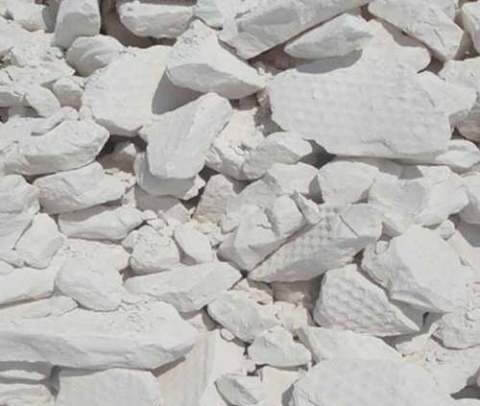
Raw kaolin often contains large lumps along with impurities
such as quartz, mica, sand, and organic materials. The first stage of
processing involves crushing the material into smaller particles.
Depending on the intended application, manufacturers may
choose either dry processing or wet processing. Dry processing is generally
suitable for lower-grade industrial applications, while wet processing produces
higher-purity kaolin with improved brightness and finer particle size.
Wet Processing for High-Purity Kaolin
Wet processing is the preferred method for producing
premium-quality kaolin used in demanding industries.
The process begins by mixing the raw clay with water to
create a slurry. This slurry undergoes several purification stages designed to
remove unwanted minerals and coarse particles.
Advanced separation equipment such as hydrocyclones,
centrifuges, magnetic separators, and screening systems help eliminate
impurities while producing a uniform particle size distribution. In some cases,
chemical bleaching is also performed to improve brightness by reducing iron
content.
This careful refinement significantly enhances the physical
and chemical properties of the final product.
Drying, Grinding, and Classification
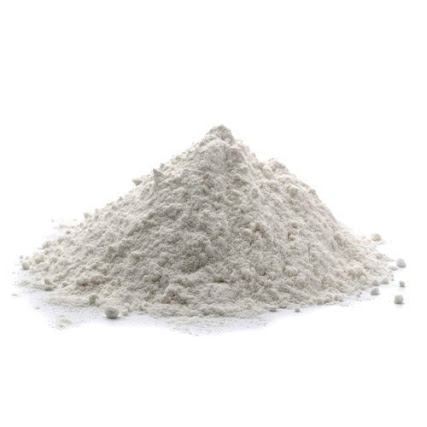
After purification, excess moisture is removed using
filtration equipment followed by spray dryers or rotary dryers. The dried
kaolin is then ground into the desired particle size using specialized milling
equipment.
Air classification systems separate fine particles from
coarse material, ensuring each product grade meets strict specifications.
Consistent particle size is critical because it directly affects performance in
applications such as paper coating, ceramics, paints, plastics, and rubber
manufacturing.
Manufacturers often produce multiple grades of kaolin to
satisfy different customer requirements.
Calcination for Enhanced Performance
Certain industrial applications require calcined kaolin
rather than raw kaolin. Calcination involves heating purified kaolin at
controlled temperatures to remove chemically bound water from the mineral
structure.
This thermal treatment improves several properties,
including:
- Increased
brightness
- Higher
opacity
- Improved
hardness
- Better
electrical insulation
- Enhanced
thermal stability
Calcined kaolin is widely used in paints, plastics, cable
insulation, refractories, and advanced construction materials where superior
performance is essential.
Quality Control Throughout Production
Reliable kaolin manufacturers maintain rigorous quality
control throughout every stage of production.
Laboratory testing typically evaluates:
- Particle
size distribution
- Brightness
and whiteness
- Moisture
content
- Chemical
composition
- pH
level
- Bulk
density
- Mineral
purity
Modern production facilities also implement standardized
operating procedures and continuous process monitoring to ensure every batch
delivers consistent performance.
This attention to quality enables manufacturers to meet
international industry standards while supplying products suitable for
demanding industrial applications.
Industrial Applications of Processed Kaolin
The versatility of processed kaolin makes it valuable across
numerous industries.
In ceramics, it improves strength, whiteness, and firing
characteristics. Paper manufacturers use kaolin to enhance printability,
smoothness, and brightness. Paint and coating producers rely on it for improved
opacity and durability. Plastic and rubber manufacturers benefit from increased
strength, dimensional stability, and surface finish.
Kaolin also serves important roles in pharmaceuticals,
cosmetics, adhesives, fiberglass, agriculture, and construction materials due
to its chemical inertness and excellent physical properties.
Choosing the Right Kaolin Supplier
Selecting a dependable supplier is just as important as
selecting the correct grade of kaolin. A reliable manufacturer offers
consistent product quality, technical expertise, modern processing facilities,
timely deliveries, and customized solutions for different industrial
applications.
Businesses should also consider factors such as production
capacity, certifications, quality assurance systems, and long-term supply
reliability when choosing a kaolin partner.
Why Choose a Premium Kaolin Producer?
For industries that demand consistent quality and dependable
supply, partnering with a premium
kaolin producer can make a significant difference. Advanced
manufacturing processes, strict quality control measures, and industry
expertise ensure every batch meets precise technical specifications. Whether
your application involves ceramics, paper, paints, plastics, rubber, or
construction materials, working with an experienced producer helps improve
product performance, manufacturing efficiency, and long-term reliability.
Conclusion
Kaolin production involves far more than simply mining clay
from the ground. Every stage—from geological exploration and extraction to
purification, drying, grinding, calcination, and quality testing—plays a
crucial role in producing a high-performance industrial mineral. As industries
continue demanding higher purity and more consistent materials, modern
processing technologies remain essential for delivering reliable kaolin
products that meet evolving manufacturing standards. By understanding the complete
production process and partnering with an experienced supplier, businesses can
maximize both product quality and operational efficiency.

Comments
Post a Comment