How Calcined Kaolin Powder Improves Cost Efficiency in Paint and Coating Systems

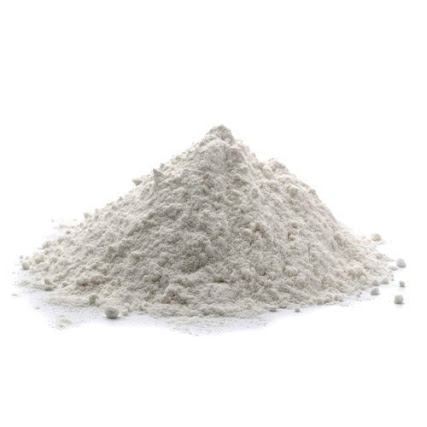
Calcined kaolin powder plays a crucial role in helping paint and coating manufacturers achieve better cost efficiency without compromising on performance or quality. In a highly competitive market where raw material costs, formulation stability, and end-product durability matter, manufacturers are constantly looking for functional fillers that deliver more value.
Calcined kaolin powder stands out as a cost-effective mineral that enhances opacity, brightness, and mechanical strength while reducing overall formulation costs. This makes it an essential component in both architectural and industrial paint and coating systems.
Understanding Cost Efficiency in Paint and Coating Formulations
Cost efficiency in paints and coatings is not only about using cheaper raw materials. It involves optimizing formulations to achieve desired performance with minimal material usage, reduced defects, and improved production efficiency. A filler or extender pigment that improves coverage, durability, and processing efficiency can significantly lower the total cost per unit of finished paint.
Traditional fillers may reduce costs initially but often require higher loading levels or additional additives to compensate for performance loss. Calcined kaolin powder addresses this challenge by delivering functional benefits that help manufacturers reduce overall formulation complexity and cost.
What Makes Calcined Kaolin Powder Cost-Effective?
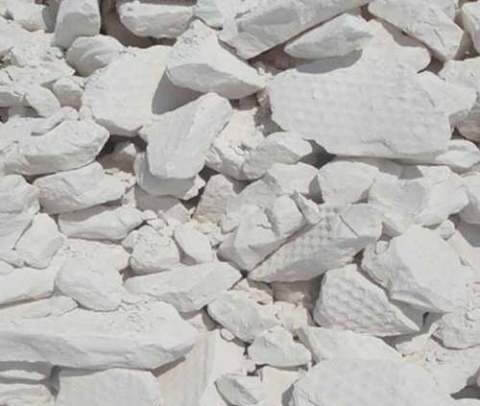
Calcined kaolin powder undergoes controlled thermal processing that enhances its physical and chemical properties. This transformation increases brightness, reduces moisture content, and improves particle structure. These characteristics allow it to perform multiple functions in paint and coating systems, reducing the need for additional ingredients.
Its high brightness improves opacity and coverage, which means less titanium dioxide may be required in formulations. Since titanium dioxide is one of the most expensive components in paints, partial replacement with calcined kaolin powder can lead to substantial cost savings without affecting visual quality.
Reducing Raw Material Costs Through Better Opacity
Opacity is a key performance factor in paints and coatings. Calcined kaolin powder improves light scattering due to its unique particle morphology. This enhances hiding power, allowing manufacturers to achieve the same coverage with less material.
By improving opacity, calcined kaolin powder enables formulators to optimize pigment volume concentration. This leads to lower consumption of costly pigments while maintaining consistent color and finish. Over large-scale production, this reduction translates into significant cost efficiency.
Improving Processing Efficiency and Yield
Manufacturing efficiency directly impacts cost. Calcined kaolin powder contributes to smoother processing by improving dispersion and reducing viscosity fluctuations. Better dispersion minimizes production downtime and reduces the risk of batch rejection.
Its low moisture content also enhances shelf stability and consistency during storage and application. This reliability reduces waste and improves yield, making production more predictable and cost-effective.
Enhancing Durability to Reduce Long-Term Costs
Durability is another factor that influences cost efficiency, especially for industrial and exterior coatings. Calcined kaolin powder improves film strength, abrasion resistance, and scrub resistance. These properties extend the lifespan of coatings, reducing maintenance and repainting costs for end users.
Longer-lasting coatings enhance brand reputation and reduce warranty claims, indirectly contributing to cost savings for manufacturers. By improving the overall performance of paint systems, calcined kaolin powder supports both short-term and long-term economic benefits.
Optimizing Formulation Flexibility
One of the advantages of calcined kaolin powder is its versatility. It can be used across a wide range of coating types, including water-based, solvent-based, and high-solid formulations. This flexibility allows manufacturers to standardize raw materials across multiple product lines.
Standardization simplifies inventory management and reduces procurement costs. Using a single high-performance filler across different formulations improves operational efficiency and lowers overall production expenses.
Role of Calcined Kaolin Powder in Sustainable Cost Reduction
Sustainability and cost efficiency often go hand in hand. Calcined kaolin powder supports sustainable manufacturing by reducing reliance on high-cost, high-impact raw materials. Its ability to partially replace titanium dioxide not only lowers costs but also reduces the environmental footprint of paint formulations.
Additionally, modern calcination processes are designed to ensure consistent quality with minimal waste. This consistency reduces the need for frequent formulation adjustments, saving time and resources.
Value Comparison with Conventional Fillers
Compared to conventional mineral fillers, calcined kaolin powder offers a higher performance-to-cost ratio. While some fillers may appear cheaper per unit, they often require higher loading levels or additional additives to meet performance standards.
Calcined kaolin powder delivers functional benefits at lower usage rates, making it more economical over the entire lifecycle of the product. Manufacturers who focus on total cost rather than raw material price alone often find it to be a smarter investment.
Meeting Market Demands Without Increasing Costs
The paint and coatings market demands high-quality products at competitive prices. Consumers expect better coverage, durability, and aesthetics without paying a premium. Calcined kaolin powder helps manufacturers meet these expectations while controlling costs.
Its consistent quality ensures predictable performance, reducing the risk of product recalls or customer complaints. This reliability is essential in maintaining profitability in a cost-sensitive market.
Choosing the Right Calcined Kaolin Powder Supplier
Cost efficiency also depends on sourcing high-quality materials from reliable suppliers. Consistent particle size, brightness, and purity ensure optimal performance in formulations. Selecting trusted suppliers of calcined kaolin for paints and coatings helps manufacturers achieve stable quality and long-term cost benefits.
Conclusion
Calcined kaolin powder is more than just a filler; it is a strategic component that helps paint and coating manufacturers improve cost efficiency across the entire production process. From reducing expensive pigment usage and improving processing efficiency to enhancing durability and sustainability, its benefits directly impact profitability.
As competition intensifies and raw material prices fluctuate, manufacturers need smart formulation strategies to stay ahead. Incorporating calcined kaolin powder enables consistent quality, optimized costs, and improved performance. By leveraging its multifunctional advantages, paint and coating systems can achieve long-term economic and operational success while meeting modern performance standards.

Comments
Post a Comment